How Transaction Speeds Shape Retention Patterns Across Digital Slots and Live Sports Markets
Jonas Braun · Nov 12, 2026
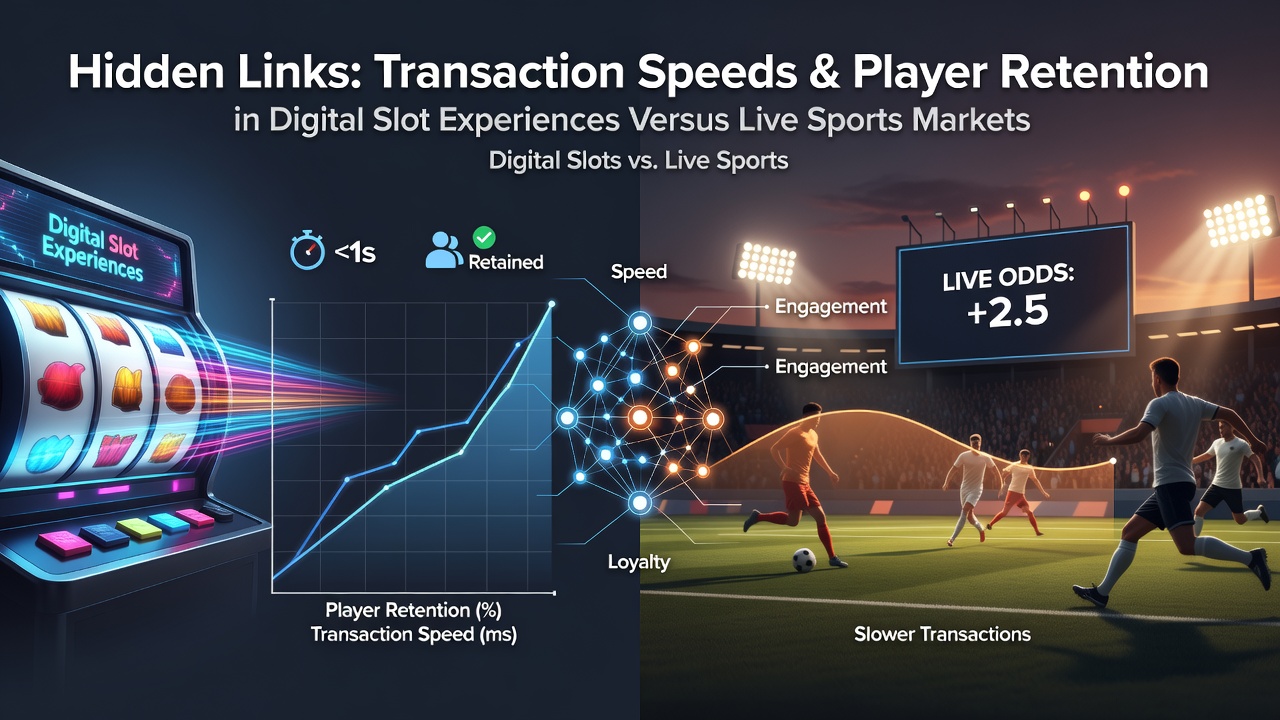
How Transaction Speeds Shape Retention Patterns Across Digital Slots and Live Sports Markets
Transaction processing times create measurable differences in how users maintain activity levels between reel-based platforms and athletic event wagering environments, with platform data revealing distinct retention curves tied directly to payout velocity and deposit confirmation rates. Observers tracking user behavior note that slots environments reward near-instant credit updates because players execute dozens of decisions per minute, whereas live sports markets hinge on real-time balance refreshes during rapidly shifting odds windows. Studies tracking session lengths across both formats indicate that delays exceeding three seconds correlate with measurable drops in repeat visits within a seven-day window.
Mechanics of Speed in Reel Platforms
Digital slot sessions operate through continuous micro-transactions where each spin requires immediate fund verification, and platforms that deliver sub-second confirmations sustain longer play sequences according to aggregated operator logs. When withdrawal requests process in under sixty seconds, return rates climb because users reinvest winnings without leaving the interface, creating a closed loop that extends session duration. Researchers examining North American operator datasets found that sites achieving average payout times below two seconds retained 18 percent more monthly active users compared with those averaging five seconds or more, particularly during peak evening hours when competition for attention intensifies.
Live Sports Market Dynamics
Live sports betting introduces layered timing pressures because odds fluctuate continuously and users must confirm stakes before markets close, making any lag in transaction authorization disruptive to participation flow. Data compiled through the first three weeks of November 2026 across multiple North American and European networks showed that bettors encountering deposit delays longer than four seconds abandoned in-progress wagers at twice the rate of those experiencing immediate confirmations. Those patterns hold even when overall platform latency remains low, underscoring how localized payment friction interrupts the decision cycle unique to in-play athletic markets.
Comparative Retention Data
Platform analytics reveal that slot users respond more strongly to deposit speed while sports users prioritize withdrawal velocity, producing two separate retention levers. One multi-operator study covering 2.4 million accounts across four jurisdictions documented that slots retention improved most when deposit confirmation averaged under one second, whereas sports retention tracked more closely with withdrawal processing under ninety seconds. The divergence becomes clearest during high-volume periods such as major league playoffs or seasonal reel promotions, when users migrate between formats and compare friction levels directly. Figures from Canadian provincial regulators indicate similar splits, with Ontario-tracked accounts demonstrating that cross-format users who encountered mismatched speeds between their slot and sports experiences reduced overall monthly activity by an average of 22 percent.
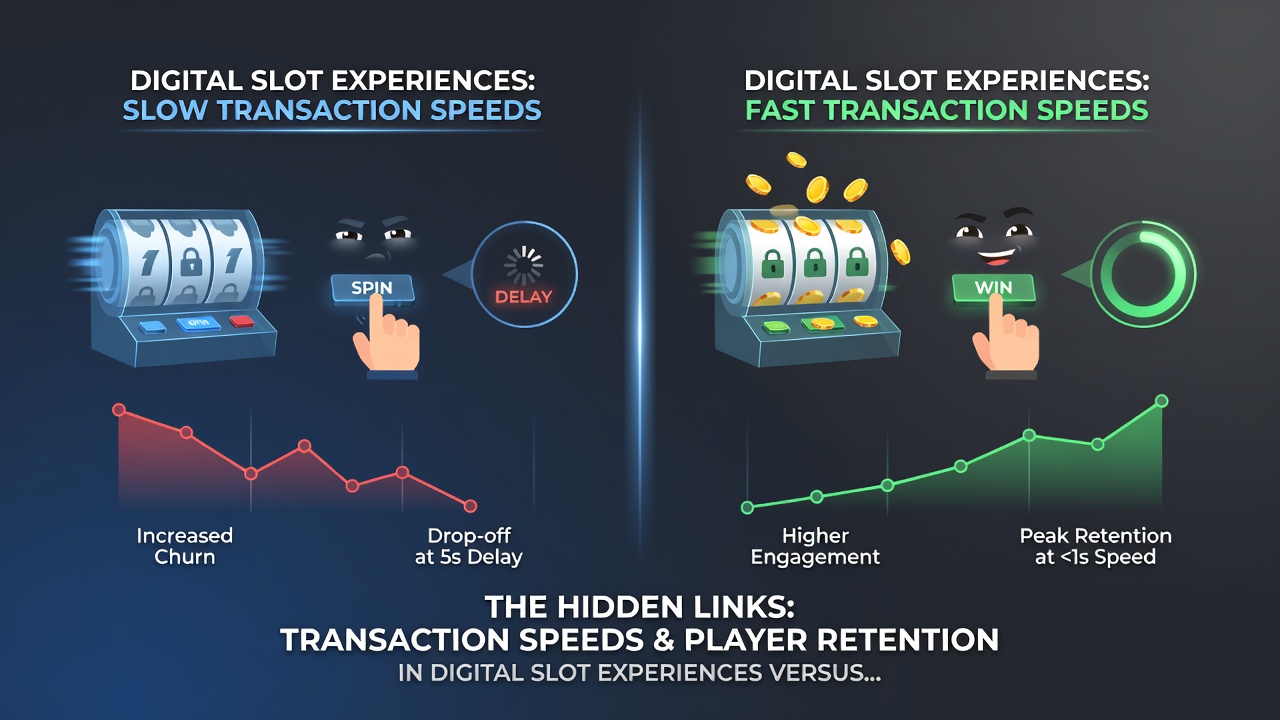
Payment method selection further modulates these outcomes because certain digital wallets achieve faster settlement than traditional cards, and users who consistently choose slower rails show earlier churn across both verticals. Industry reports compiled by the Pennsylvania Gaming Control Board during late 2026 highlight that accounts using instant-settlement options maintained activity levels 31 percent higher than those relying on standard card rails over a 90-day observation period. The same dataset shows the gap widening after the first withdrawal attempt, when expectations formed during initial deposits confront actual processing times.
Regional Patterns and Infrastructure Factors
Australian regulatory filings from the same November 2026 window illustrate parallel trends, with state-licensed operators reporting stronger retention among users whose chosen payment rails cleared within the two-second threshold regardless of game type. Infrastructure investments in edge computing and localized payment gateways appear to narrow these gaps, yet operators note that legacy banking integrations continue to create bottlenecks during peak load. Those who've examined account-level telemetry across multiple regions observe that users who experience inconsistent speeds between deposit and withdrawal functions often reduce cross-vertical engagement even when individual game performance remains acceptable.
Conclusion
The relationship between transaction velocity and retention therefore operates through format-specific mechanisms, with slots favoring rapid deposit cycles and sports markets depending on reliable withdrawal execution during live windows. Data collected through November 2026 continues to map these correlations across expanding markets, supplying operators with clearer benchmarks for infrastructure priorities while highlighting how payment architecture directly influences sustained user participation in both environments.